August 10, 2026
In this comprehensive guide, we explore crucial insights from local septic pumping companies that every property owner should understand. From routine maintenance strategies to early warning indicators of system distress, industry experts share their technical knowledge to help you maintain your waste management system in peak condition. Proper maintenance requires a balance of informed everyday habits and timely professional interventions. By examining these professional recommendations, you will be well-equipped to manage your household waste infrastructure efficiently. Installing an underground septic system represents a major financial investment, making it essential to understand its mechanical operations and routine care. Relying on verified insights from licensed service providers ensures the operational longevity and environmental safety of your residential waste setup.
Understanding Your Septic System
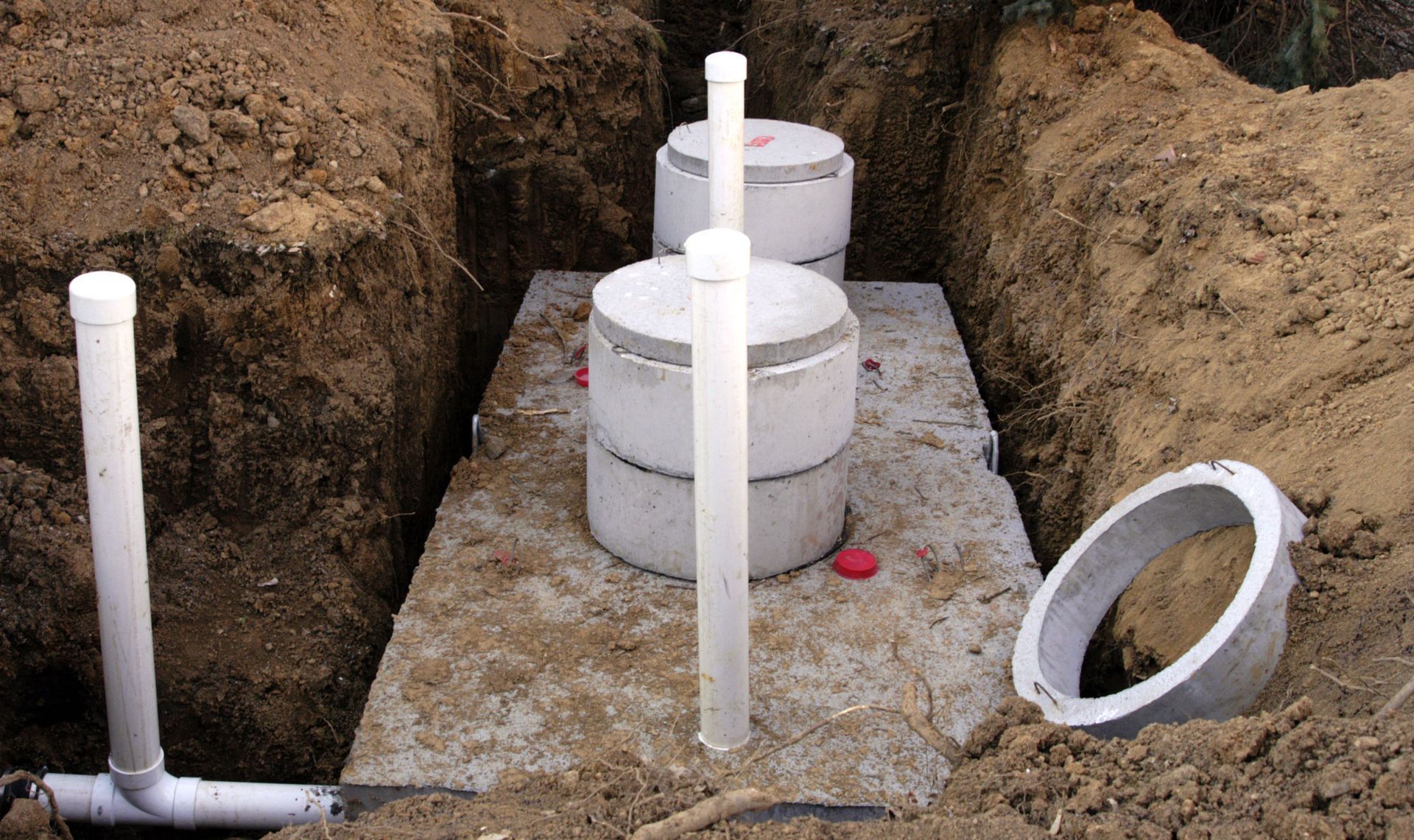
A residential septic setup consists of several interconnected components, each serving a distinct role in wastewater processing. At the core of this infrastructure sits the septic tank, where solid material settles and undergoes natural biological breakdown while liquid effluent travels toward the drain field. According to The Spruce, most home septic tanks hold between 1,000 and 1,500 gallons, though sizes can range from 750 to 1,750 gallons. The complete setup also includes solid inlet pipes, distribution boxes, and a soil absorption field that filters liquid before returning it to local groundwater tables. Understanding these structural elements helps property owners identify early warning signs and establish proper care routines with local septic pumping companies.
The core objective of an underground septic system is to treat domestic wastewater safely on site without relying on centralized municipal sewer lines. These subterranean tanks are built from durable materials such as reinforced concrete, heavy-duty polyethylene, or fiberglass to withstand severe soil pressures. Wastewater flows directly from household drains into the main chamber, where natural anaerobic bacteria begin breaking down organic solids. Scheduling routine inspections and pump-outs with local septic pumping companies prevents heavy sludge overloads, guaranteeing that the biological digestion process operates continuously without causing structural backups.
An efficiently performing septic system depends on all mechanical parts working together smoothly. When every component functions as intended, the setup prevents plumbing blockages, localized lawn flooding, and dangerous environmental hazards linked to raw sewage leaks. Many property owners overlook smaller structural elements, such as vent pipes and baffle tees, which relieve internal pressure and direct wastewater flow safely. Staying informed about these mechanical details allows homeowners to monitor their systems through routine visual inspections and service logs. Ultimately, working alongside experienced local septic pumping companies protects your home infrastructure, extends equipment service life, and saves money over time.
Septic systems operate by directing household wastewater into a primary holding tank where natural gravitational settling occurs. Heavy organic matter sinks to the bottom to form a dense sludge layer, while oils, fats, and grease float to the surface to form a buoyant scum layer. The clarified liquid trapped between these two layers, known as effluent, flows out of the tank through an effluent filter into the surrounding drain field. Inside the drain field, specialized soil microbes purify the liquid as it percolates downward. Maintaining a balanced microbial ecosystem inside the primary tank is vital for efficient organic decomposition, which requires avoiding harsh chemical cleansers or non-biodegradable items.
Homeowners also frequently assume that a system is operating perfectly as long as toilets flush and sinks drain without immediate resistance. However, critical structural problems like cracked tank walls, failing distribution boxes, or deep soil compaction can develop quietly long before raw sewage backs up into living spaces. Ignoring subtle warning signs allows minor mechanical faults to escalate into severe structural emergencies. By consulting qualified local septic pumping companies, homeowners can dispel dangerous myths and adopt evidence-based care routines that maximize equipment lifespan.
Signs of System Distress and Failure
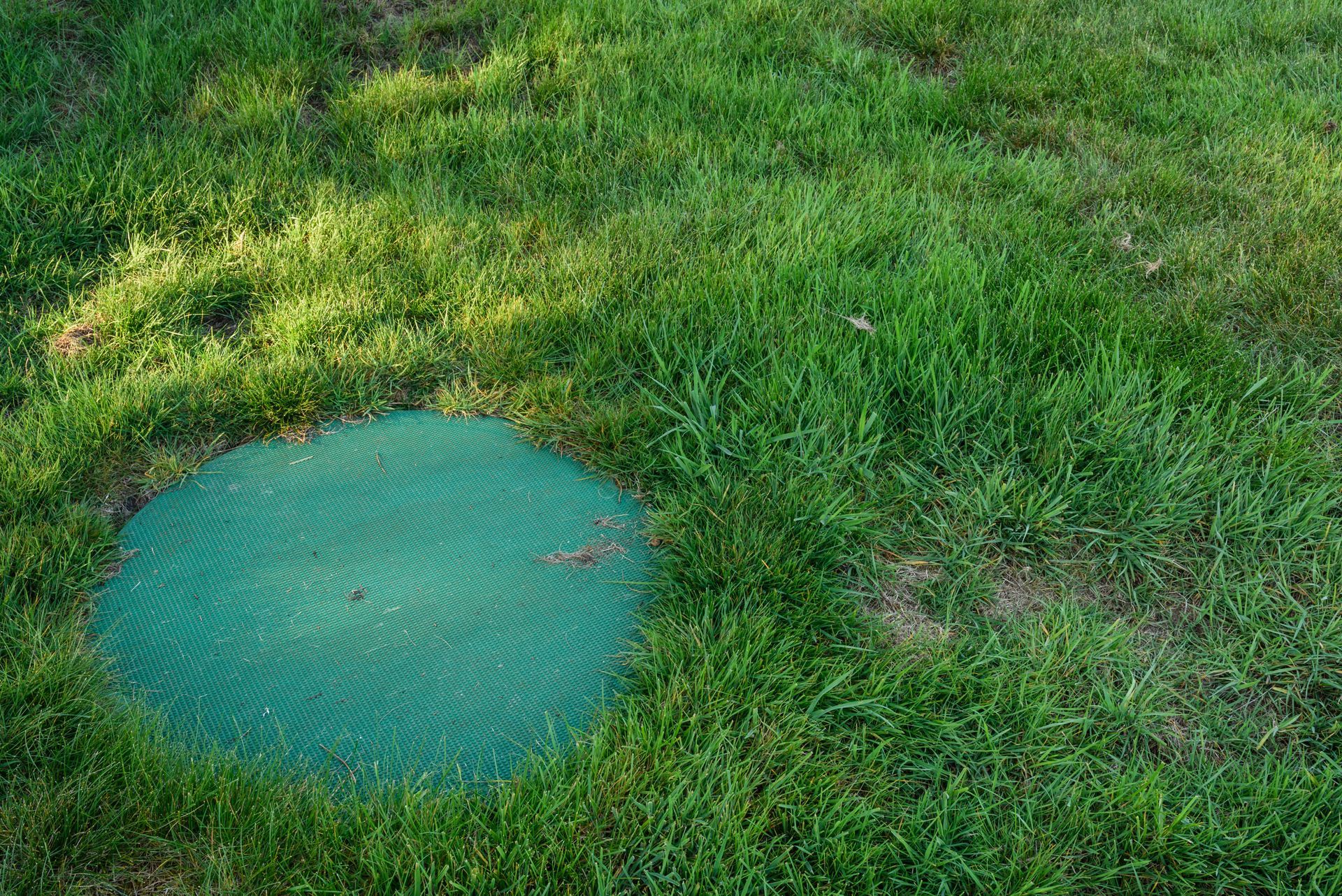
Recognizing early indicators of system failure allows homeowners to take swift corrective action before minor repairs turn into catastrophic property damage. Common warning signs include sluggish sink drains, gurgling sounds inside bathroom plumbing, and recurring toilet backups. Externally, unusually lush, dark green patches of grass growing directly over the drain field often indicate that nutrient-rich wastewater is leaking near the surface. Unpleasant sewage odors wafting through the yard or drifting up from floor drains signal that gases are escaping improperly or that the primary holding tank has exceeded its operational capacity.
The appearance of standing water or soggy soil patches around the drain field area indicates that the subterranean soil can no longer absorb incoming liquid effluent. When the absorption field becomes saturated or clogged with solid waste, wastewater forces its way upward onto the lawn. Addressing these warning signs immediately by contacting local septic plumbing companies prevents raw sewage from contaminating surrounding topsoil or entering residential living spaces.
In our experience, a properly engineered and maintained septic system can function reliably for 20 to 30 years, depending on soil conditions, component quality, and household usage patterns. Performing routine tank pump-outs, scheduling annual inspections, and maintaining detailed service records are critical steps for maximizing structural longevity. Over decades of continuous operation, natural wear and tear can degrade distribution lines and pipe seals. However, practicing proactive maintenance minimizes structural damage and avoids premature system replacement. Combining water conservation habits with professional oversight keeps your waste management setup running efficiently for decades.
Comprehensive Maintenance Strategies
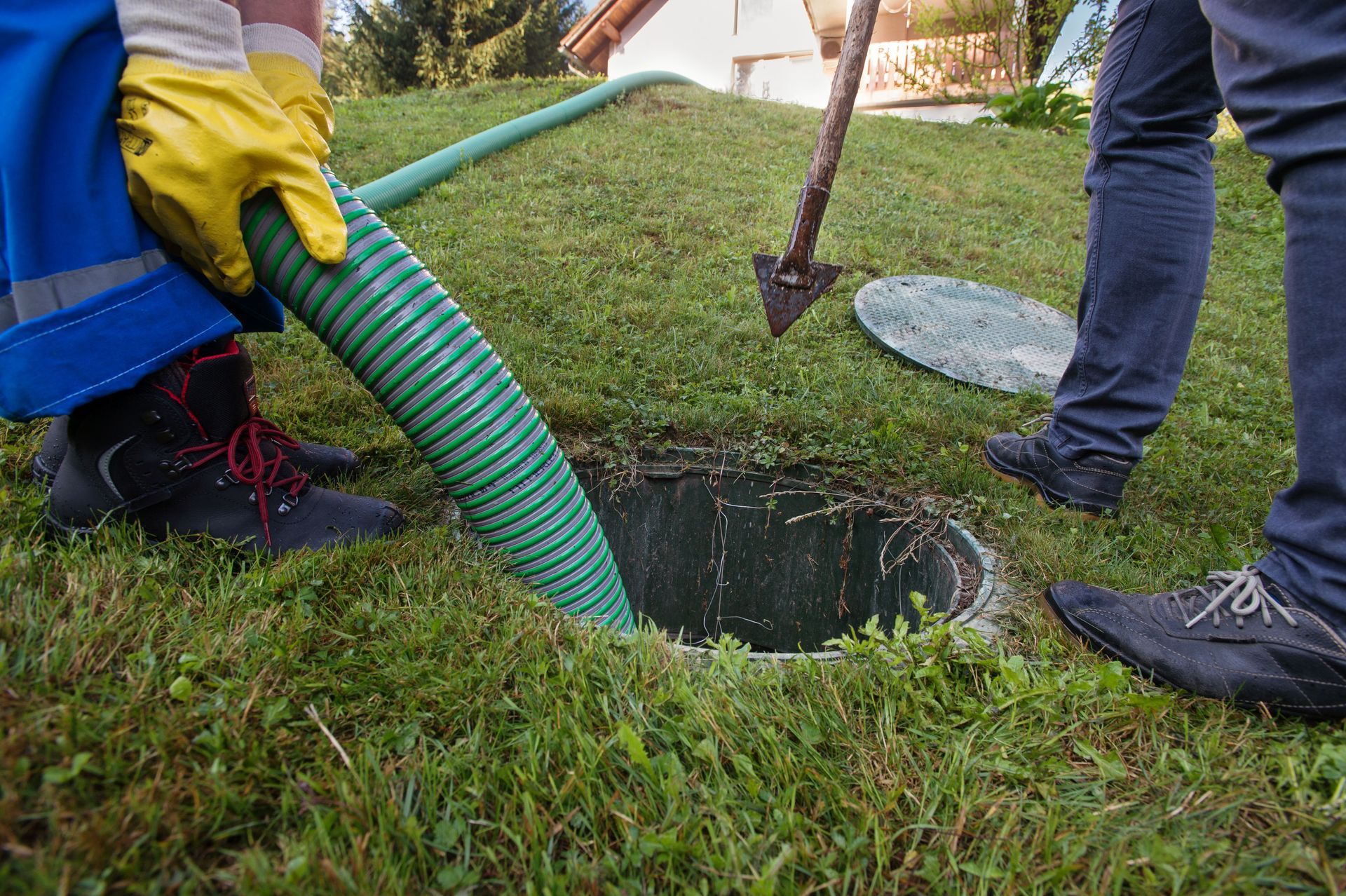
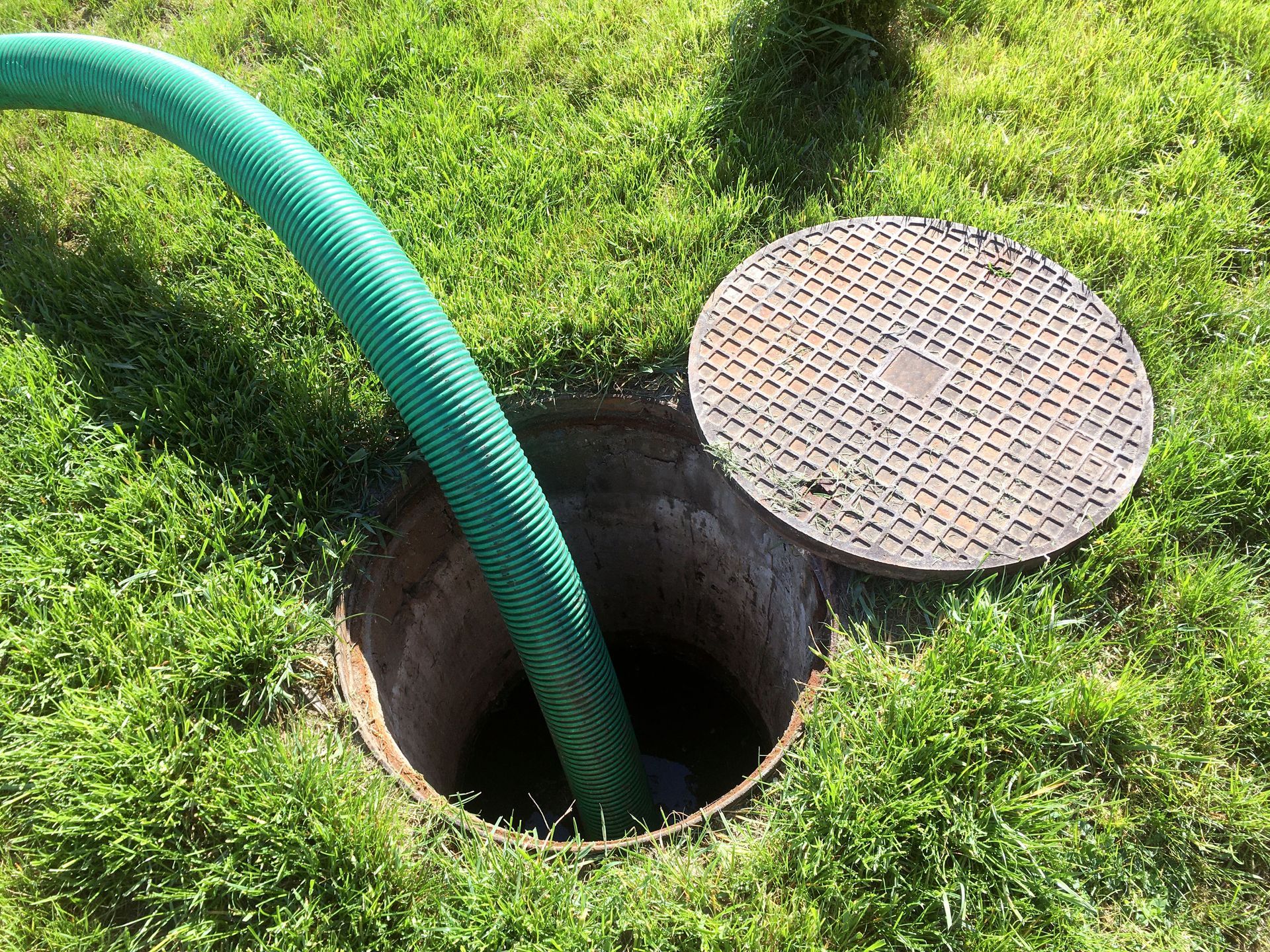
Scheduling routine tank pump-outs with certified local septic pumping companies represents the most important maintenance practice for any property relying on on-site wastewater treatment. As solid sludge accumulates over months of continuous domestic use, the functional holding space inside the main chamber steadily shrinks. Without periodic waste removal, solid particles pass directly into the drain field, clogging perforated distribution pipes and sealing off soil pores. Industry experts recommend scheduling a professional pump-out every three to five years, depending on total household occupancy and daily water consumption habits.
In addition to preventing solid waste from entering the drain field, regular pump-outs allow technicians to inspect internal tank baffles, check wall integrity, and evaluate fluid levels. Removing accumulated sludge restores full liquid capacity, allowing wastewater to separate efficiently before discharge. Engaging professional local septic pumping companies for routine pumping protects your property value, preserves local groundwater purity, and prevents unexpected plumbing emergencies.
Establishing an optimal pumping schedule depends on total household size, overall tank capacity, and daily water consumption habits. For example, we have found that a large family operating a standard 1,000-gallon tank will accumulate solid sludge far faster than a single occupant residing in a comparable home. Installing water-efficient plumbing fixtures, fixing leaky faucets quickly, and spreading laundry loads throughout the week reduce physical hydraulic stress on the tank, allowing for more predictable service intervals.
While professional pump-outs are essential, homeowners can adopt several everyday habits to protect their waste infrastructure. Avoid flushing non-biodegradable materials such as baby wipes, paper towels, feminine hygiene products, or dental floss, as these items do not break down biologically and quickly clog plumbing lines. Additionally, keep heavy vehicles and machinery off the drain field to prevent soil compaction and pipe crushing. Planting only shallow-rooted turfgrass over the absorption area prevents aggressive tree roots from invading subterranean distribution lines.
Partnering with experienced professionals ensures your home waste management system operates safely, efficiently, and cleanly throughout every season. By understanding how waste separation works, debunking common care myths, and scheduling routine maintenance, you can protect your property investment and avoid costly emergency repairs. Taking a proactive approach to home care preserves environmental health while ensuring long-term peace of mind. For reliable tank pumping, thorough system inspections, and expert drain field repairs tailored to your property, contact the certified specialists at A-1 Septic & Drain Field Repair™, LLC today.