June 10, 2026
Without municipal sewer access, homeowners must utilize private wastewater management setups to handle daily fluid refuse. Selecting an appropriate design ensures long-term sanitation and protects the surrounding ecology. Property owners often overlook this crucial buried infrastructure until sluggish drains demand attention. A well-designed configuration elevates property value while preventing ecological contamination. Education remains paramount, as navigating the various underground technologies demands thorough research and an understanding of geological principles. Making an informed choice eliminates immense future stress.
Navigating available designs requires careful consideration of earth composition, fluid generation, and zoning regulations. Installing an improper setup inevitably leads to rapid mechanical failure and messy residential backups. Professional guidance remains an invaluable asset during this highly complex journey. By evaluating site-specific geological factors alongside daily fluid generation metrics, residents can make informed decisions. Proper initial planning guarantees that the entire infrastructure operates efficiently and invisibly for many years, preserving personal comfort and environmental integrity alike.
Understanding Your Soil's Characteristics
The fundamental foundation of any effective wastewater treatment strategy lies within the earth itself. Soil composition dictates exactly how efficiently effluent percolates and naturally purifies before returning to underground aquifers. Heavy clay soils drain incredibly slowly, requiring specialized alternative designs to prevent surface pooling. Conversely, overly sandy earth drains somewhat too rapidly, potentially failing to provide adequate natural filtration time before wastewater enters pristine groundwater reserves.
To accurately determine earth viability, excavation professionals conduct detailed percolation evaluations. These vital site tests measure the precise rate at which standing water absorbs into the native ground. A percolation test reveals whether a conventional leach field can handle the daily effluent output. Failing to properly assess soil absorption often leads to underground failure and the urgent need to hire a septic pumping company for emergency overflow mitigation.
High groundwater tables pose significant physical challenges during the installation phase. If underground water sits too close to the surface, treated effluent simply cannot drain away properly. In such difficult geological scenarios, elevated mound designs or mechanically assisted aerobic units become necessary alternatives. These elevated or motorized designs ensure raw wastewater receives adequate biological oxygenation and earth filtration before interacting with the natural water table below.
Local health departments strictly regulate property installations based entirely on these initial geological assessments. Acquired permits require detailed architectural site plans demonstrating that the chosen treatment design aligns with native soil test results. Consulting with experienced excavators and health officials early prevents costly design rejections. Proper geological matching ultimately guarantees long-lasting, environmentally compliant, and highly effective fluid waste management for the entire property.
Assessing Your Household's Requirements
Beyond geological factors, the daily volume of wastewater generated heavily dictates the necessary scale of the treatment infrastructure. Larger families inevitably produce vastly more fluid waste through frequent showers, heavy laundry usage, and constant dishwashing cycles. Accurately estimating this flow entirely prevents the unfortunate installation of an inadequate holding tank. An undersized unit fills rapidly and tragically forces solid organic waste directly into the delicate drain field, causing blockages.
Sizing rules depend on the physical architectural layout and the total occupancy potential of the residential structure. Regulators specifically look at bedroom counts rather than current occupants to determine potential maximum fluid usage. According to This Old House, generally, a residence with two or three bedrooms requires a septic system capable of holding a minimum of 1000 gallons. This baseline metric ensures the configuration easily handles peak usage without experiencing detrimental plumbing backups.
Modern interior plumbing fixtures also dramatically influence overall fluid volume and subsequent tank requirements. High-efficiency washing machines and low-flow toilets significantly reduce the daily burden placed on the exterior treatment infrastructure. Conversely, luxury bathroom fixtures like high-volume rain showerheads or oversized soaking tubs generate massive amounts of wastewater very rapidly. Residents must carefully account for these specific luxury fixtures when consulting design professionals about appropriate tank sizing.
Establishing an ongoing relationship with a septic pumping company ensures the chosen tank capacity remains completely adequate over time. Routine maintenance inspections readily reveal if daily household habits exceed the intended biological capacity. Adjusting interior water usage habits or simply scheduling more frequent professional cleanings can successfully mitigate the stress placed on a borderline-sized tank. Proactive usage management extends the functional mechanical lifespan considerably.
Exploring Your Technology's Options
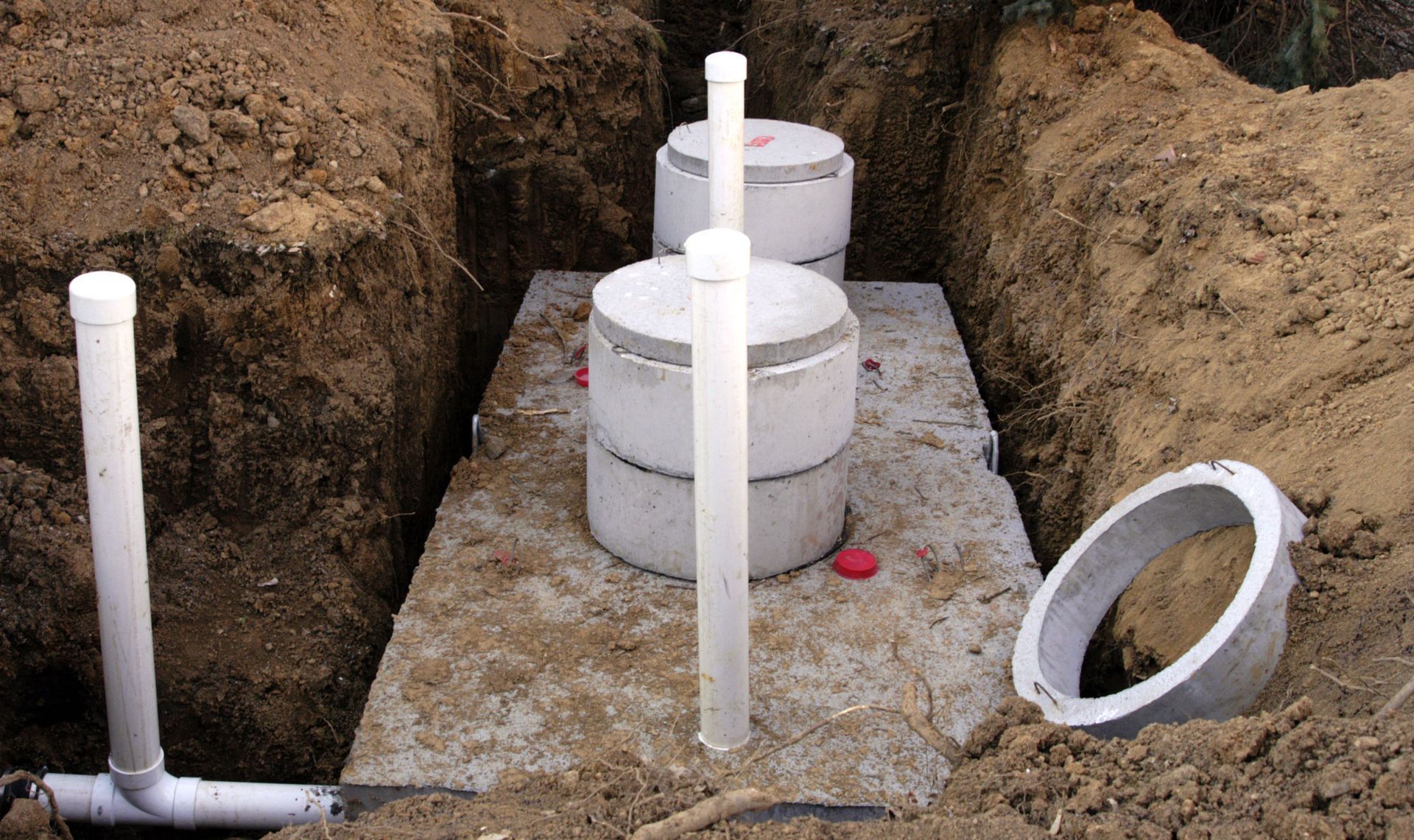
Conventional gravity-fed designs remain the most common choice for properties boasting excellent soil drainage and deep groundwater tables. These traditional setups utilize a massive underground concrete chamber where solid matter settles, while liquid effluent flows naturally downhill into a trench-based leach field. Their overall simplicity makes them remarkably reliable and relatively inexpensive to maintain over extended periods. Lacking mechanical parts, conventional designs rarely break down unexpectedly.
Challenging terrain or poor native soil often requires significantly more advanced technological solutions. Aerobic treatment units constantly inject vital oxygen directly into the main holding chamber, dramatically accelerating the biological breakdown of raw organic matter. This continuous mechanical aeration produces a much cleaner effluent, making it perfectly suitable for properties with poor earth drainage or highly restrictive ecological zoning laws. Aerobic designs offer unparalleled environmental protection.
Sand filter setups present an additional highly viable alternative for environmentally sensitive geographical areas. In these specialized designs, liquid effluent flows slowly through a large subterranean box filled with specialized sand before reaching the final natural disposal area. The specialized sand acts as a highly effective biological filter, completely trapping harmful pathogens and lingering suspended solids. This extra layer of purification prevents groundwater contamination in vulnerable zones.
Regardless of the specific technology chosen, regular professional servicing remains entirely non-negotiable for property owners. Establishing a comprehensive service contract with a septic pumping company guarantees that all mechanical components receive timely, expert inspections. Routine removal of accumulated organic sludge thoroughly prevents solid waste from migrating outward into the delicate earth filtration areas. Proactive maintenance saves property owners from replacing highly expensive technological investments prematurely.
Planning Your Budget's Parameters
Comprehensive financial planning plays a large role in finalizing the ideal residential wastewater setup. Initial earthwork and installation costs vary wildly depending entirely on the complexity of the required technology and prevailing local labor rates. Conventional gravity systems generally sit comfortably at the lower end of the financial pricing spectrum. Conversely, highly engineered aerobic units or complex elevated mound designs require significantly larger upfront financial commitments.
Property owners must also carefully factor in the various hidden expenses directly associated with extensive site preparation. Extensive land clearing, heavy rock removal, or importing specialized drainage soil drastically inflates the baseline installation price tag. Obtaining highly accurate, comprehensive written quotes from several different contractors greatly helps illuminate any hidden site-specific excavation expenses. Thorough financial preparation completely prevents stressful budget overruns during critical construction phases.
Long-term operational costs demand equal consideration during the initial budgeting and technology selection process. Advanced treatment setups utilizing electrical pumps and continuous aerators consume power constantly, noticeably adding to monthly utility bills. Motorized mechanical components eventually wear out and require professional repair or complete replacement. Properly budgeting for these inevitable mechanical upkeep expenses ensures the infrastructure remains fully functional without ever causing unexpected financial strain.
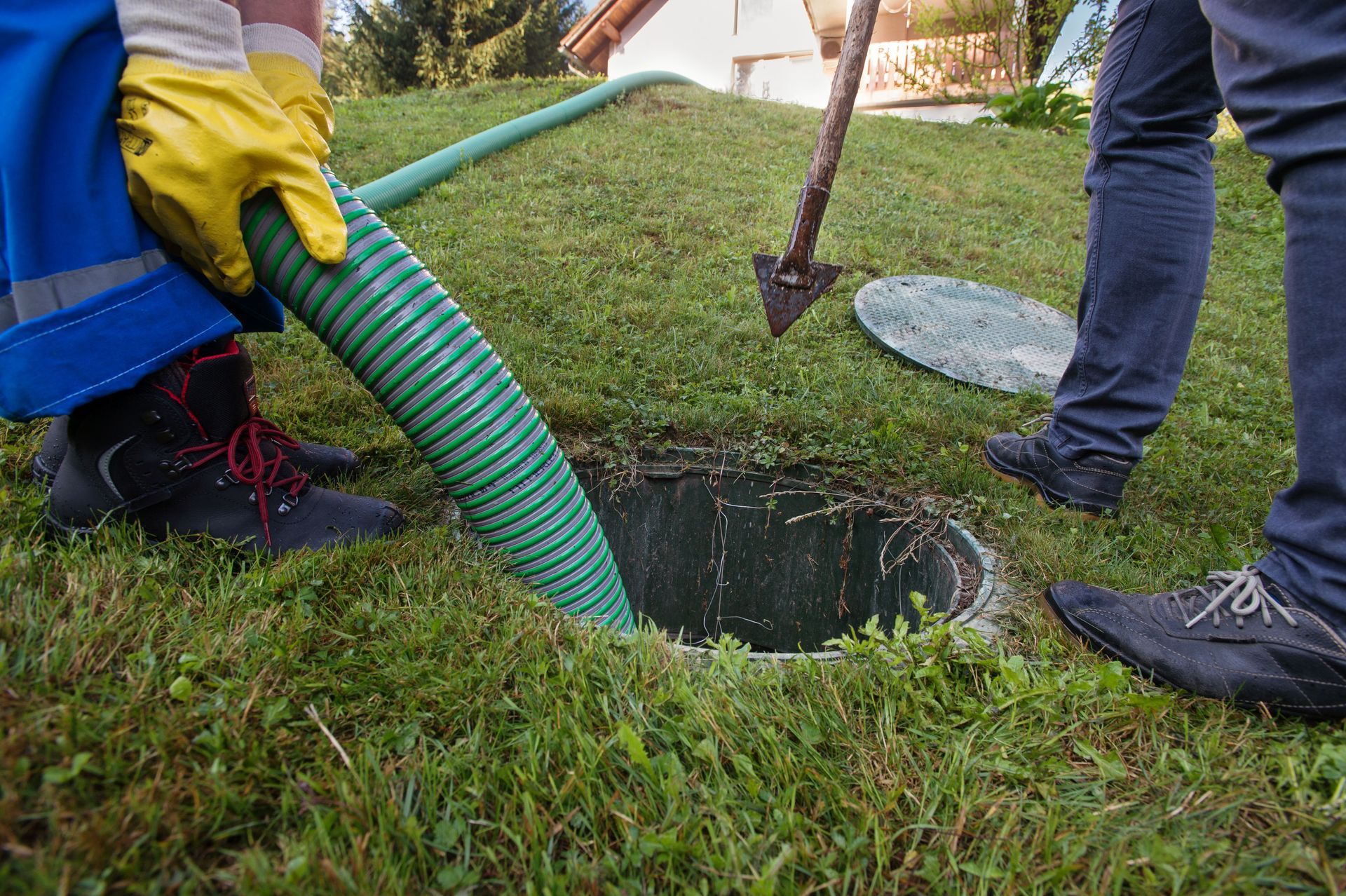
Ongoing biological maintenance represents a critical financial pillar of responsible wastewater management. Consistently setting aside dedicated funds for periodic vacuum servicing by a septic pumping company is essential. Neglecting this vital recurring expense inevitably leads to catastrophic biological failure and massive infrastructure replacement bills. Viewing routine professional maintenance as an essential property investment rather than an annoying burden protects the home's overall value and daily sanitation capabilities.
Finalizing the ideal exterior wastewater management strategy requires delicately balancing geological realities, daily household habits, and strict financial boundaries. Depending on expert guidance from engineers, a reputable septic pumping company ensures the chosen setup complies with all environmental regulations while flawlessly serving daily needs. Customized architectural planning remains the key to lasting success.
A properly designed and meticulously maintained underground setup operates completely invisibly in the background, consistently safeguarding public health and local ecology alike. Homeowners must firmly commit to lifelong biological maintenance, which prominently includes consistently partnering with a reliable septic pumping company for scheduled tank cleanings. A well-maintained residential wastewater setup proudly stands as a lasting testament to responsible homeownership, providing immense peace of mind and pristine environmental stewardship for future generations. When you are ready to evaluate your property for a new wastewater setup or schedule routine maintenance, reach out to A-1 Septic & Drain Field Repair™, LLC today. Our experienced septic pumping company has the expertise to keep your underground infrastructure running flawlessly for years to come.